
Morse Code Words and Phrases: The Beginner's Reference
The exact dot-and-dash patterns for the words you'll actually use. Plus how to send them with sound, light, or tapping.


Most people start learning Morse code by memorising the alphabet. Letter by letter. A is dot-dash, B is dash-dot-dot-dot, and so on.
That works. But it's slow.
Operators who use Morse every day don't spell things out letter by letter in their heads. They recognise whole words as single patterns. The same way you don't read "t-h-e" – you just see "the" and move on.
This page gives you the most common Morse code words as complete patterns. Learn these and you'll sound more natural, whether you're tapping on a table, flashing a light, or just curious about how it all fits together.
If the alphabet still feels shaky, no worries. Take a look at the Morse code alphabet chart with sound pronunciations first. It helps to have the letters down before jumping into whole words.
Common Morse Code Words and Their Patterns
Here are the words you'll encounter most. Each one includes the dots and dashes, the sound (using "dit" and "dah"), and when you'd typically use it.
| Word | Morse Code | Sounds Like | When to Use |
|---|---|---|---|
| SOS | ··· −−− ··· | dit-dit-dit dah-dah-dah dit-dit-dit | Emergency distress call. Universal. |
| Help | ···· · ·−·· ·−−· | dit-dit-dit-dit dit dit-dah-dit-dit dah-dah-dit | When you need immediate assistance. |
| OK | −−− −·− | dah-dah-dah dah-dit-dah | Acknowledging a message. "Got it." |
| Yes | −·−− · ··· | dah-dit-dah-dah dit dit-dit-dit | Affirmative reply. |
| No | −· −−− | dah-dit dah-dah-dah | Negative reply. Quick and clear. |
| Roger | ·−· −−− −−· · ·−· | dit-dah-dit dah-dah-dah dah-dah-dit dit dit-dah-dit | "Message received and understood." |
| Please | ·−−· ·−·· · ·− ··· · | dah-dah-dit dah-dit-dit-dit dit dit-dah dit-dit-dit dit | Courteous request. |
| Thank you | − ···· ·− −· −·− / −·−− −−− ··− | dah dit-dit-dit-dit dit-dah dah-dit dah-dit-dah (space) dah-dit-dah-dah dah-dah-dah dit-dit-dah | Gratitude. A bit longer but worth it. |
| Wait | ·−− ·− ·· − | dit-dah-dah dit-dah dit-dit dah | Pause the conversation. "Hold on." |
| Go | −−· −−− | dah-dah-dit dah-dah-dah | Proceed. "Your turn." |
| Stop | ··· − −−− ·−−· | dit-dit-dit dah dah-dah-dah dah-dah-dit | Halt transmission immediately. |
| Hi | ···· ·· | dit-dit-dit-dit dit-dit | Casual greeting. All dots. Beginner favourite. |
These cover most everyday exchanges. Once you're comfortable, you can branch into longer phrases and even full sentences.
Short Codes That Work Like Words
Operators don't always spell out "best regards" or "calling anyone." They use short codes. These act like words even though they look like abbreviations.
| Code | Morse | Meaning | When You'd Use It |
|---|---|---|---|
| 73 | −−··· ···−− | Best regards | Signing off a friendly conversation. |
| 88 | −−−·· −−−·· | Love and kisses | Affectionate sign-off. Often between partners. |
| CQ | −·−· −−·− | Calling anyone | General call when you want a response from anyone listening. |
| QTH | −−·− − ···· | My location is... | Sharing your position. Useful in field or maritime settings. |
| RST | ·−· ··· − | Signal report | Telling someone how clearly you're receiving them. |
Emergency Words: What to Learn First
If you only learn a handful of Morse code words, make it these. They're designed to be recognised even in bad conditions.
SOS – The Universal Distress Call
SOS is ··· −−− ···. Three dots, three dashes, three dots. No spaces between letters.
It doesn't stand for "Save Our Souls" or "Save Our Ship." Those came later. The pattern was chosen because it's simple, rhythmic, and hard to mistake for anything else.
You can send SOS with anything: a flashlight, a whistle, knocking on a wall, even blinking. Three short. Three long. Three short. Anyone who knows Morse will stop and listen. Read the full story in our SOS history and how-to guide.
Help – When You Need Someone
"Help" is longer than SOS but still clear: ···· · ·−·· ·−−·.
Unlike SOS, "help" is a word people who don't know Morse might still recognise if they're trying to decode dot patterns. We've got a dedicated breakdown on how to signal help in Morse code.
Single Words vs Full Phrases: What's the Difference?
A single word like "help" or "OK" is self-contained. You send it and you're done.
A phrase like "I love you" or "thank you" strings multiple words together with pauses in between. The slash (/) in written Morse shows where the word breaks go.
Think of words as building blocks. Get the blocks right, and phrases come together naturally. This page covers both because most people want to learn words first, then combine them. If you want to skip ahead to full phrases, the card guides below will walk you through them step by step.
How to Practice Morse Code Words
Reading dots and dashes on a screen is one thing. Recognising them by sound or sending them yourself is where it sticks. Here are a few ways that actually work.
1. Listen First, Read Second
Your ears learn rhythm faster than your eyes learn symbols. Use the play button on our translator, type in a word like "OK" or "Hi," and just listen. Close your eyes. Let the pattern sink in. This is how operators trained for decades.
2. Tap It Out
Find a surface. Literally any surface. Tap "Hi" with your finger: four quick taps, pause, two quick taps. Now try "SOS": tap-tap-tap pause thump-thump-thump pause tap-tap-tap. Muscle memory builds faster than you'd think.
3. Use a Flashlight
At night, a phone torch or small flashlight is perfect. Short blinks for dots. Longer holds for dashes. Try sending "help" across the room to someone who also knows Morse. It's surprisingly fun. See our guide on sending Morse code with a flashlight for the full technique.
4. Start Small and Daily
Five minutes a day. Pick three words from the table above. Practise them until you don't have to think about them. Tomorrow, add one more. In a week you'll have a dozen words locked in.
5. Send a Secret Message
Write "OK" or "yes" in Morse on a sticky note and leave it somewhere. Send a friend a text that's just dots and dashes. The more you use it in real life, the more natural it gets.
If you want a structured approach from scratch, our step-by-step guide to learning Morse code fast walks you through the whole process. And the Morse code practice page gives you drills designed to build speed.
Where These Words and Codes Came From
Most of the short codes, like 73 and CQ, started in the wired telegraph days. Operators needed to save time because every letter was tapped by hand. Over the years, these codes moved from telegraph lines to radio waves and just kind of stuck.
There's a longer story here if you're curious about the history. We put together a full timeline on the history of common Morse code words and phrases.
Common Questions About Morse Code Words
What are the most used words in Morse code?
In everyday amateur radio, the most common are: CQ (calling anyone), 73 (best regards), OK, Roger, SOS, and basic replies like "yes" and "no." Emergency services drill SOS above everything else.
How do you say "I love you" in Morse code?
It's ·· ·−·· −−− ···− · / −·−− −−− ··−. We have a complete guide with sound, light, and tapping methods on the I love you in Morse code page.
Is there a single signal for common words?
Yes and no. SOS is sent as one continuous string with no spaces between letters. But most words, even short ones like "OK," keep the normal spacing. The rhythm does the heavy lifting.
Can I learn Morse code words without learning the whole alphabet?
You can, and honestly, that's how plenty of people start. Learn SOS, help, yes, no, and OK first. You'll pick up the individual letters along the way. Once you want to spell things out or understand new words, circle back to the alphabet chart with pronunciation to fill in the gaps.
What's the easiest Morse code word to start with?
"Hi" – ···· ··. It uses only dots. No dashes at all. Four quick taps, pause, two quick taps. You can learn it in under a minute.
Don't Forget Numbers and Punctuation
Codes like 73 and 88 use numbers. If you're going to use those, it helps to know how numbers work in Morse. Each digit from 0 to 9 has its own five-element pattern.
We've collected all of them, along with punctuation marks, on the Morse code numbers and punctuation guide.
Morse code words are like any other language habit. The ones you use often become second nature. Start with a few from the table. Practise them for five minutes. Then use them. Tap "OK" on a desk. Flash "SOS" just to see if you can.
Before long, you won't be reading dots and dashes. You'll just know what the pattern means the moment you hear it.
Ready-to-Use Phrase Guides
These walk you through individual phrases step by step. Sound, light, tapping, and the full dot-and-dash breakdown for each one.
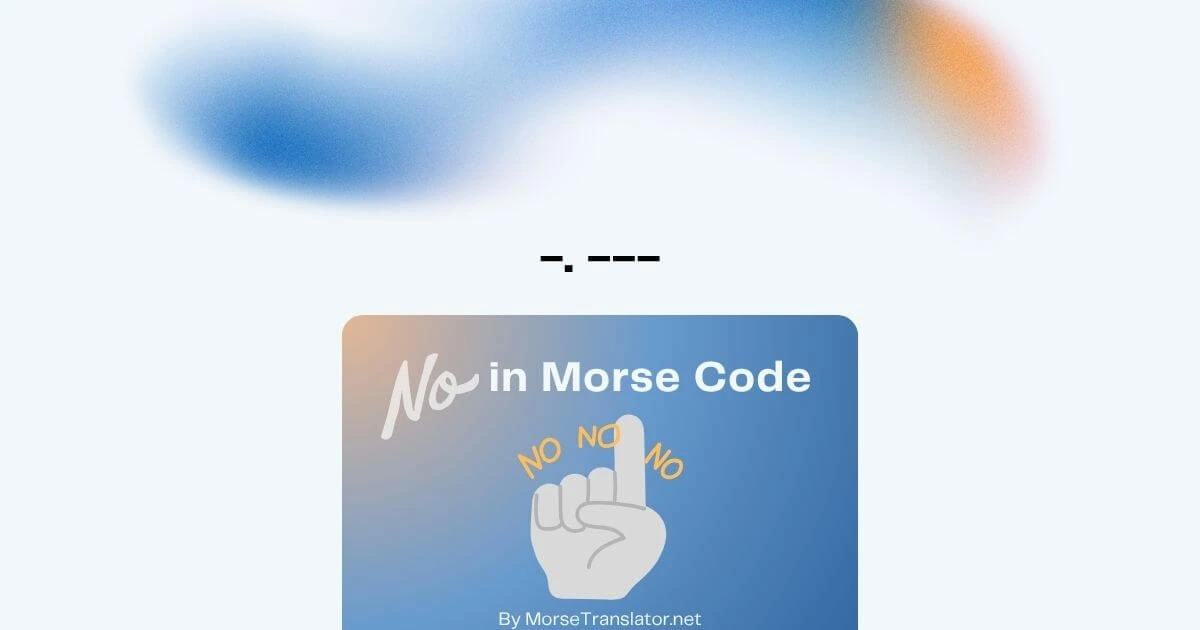
Learn the exact Morse pattern for "no" with timing, sound, light, and practical signaling examples.
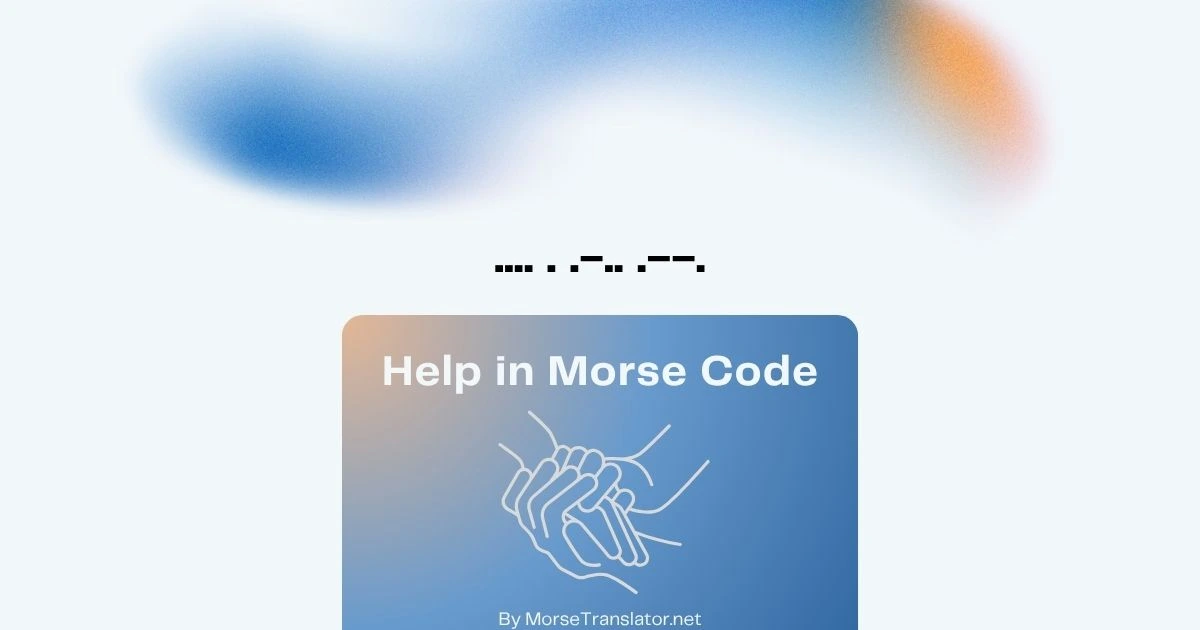
Learn to signal "help" with the exact Morse pattern and practise it with sound and light.
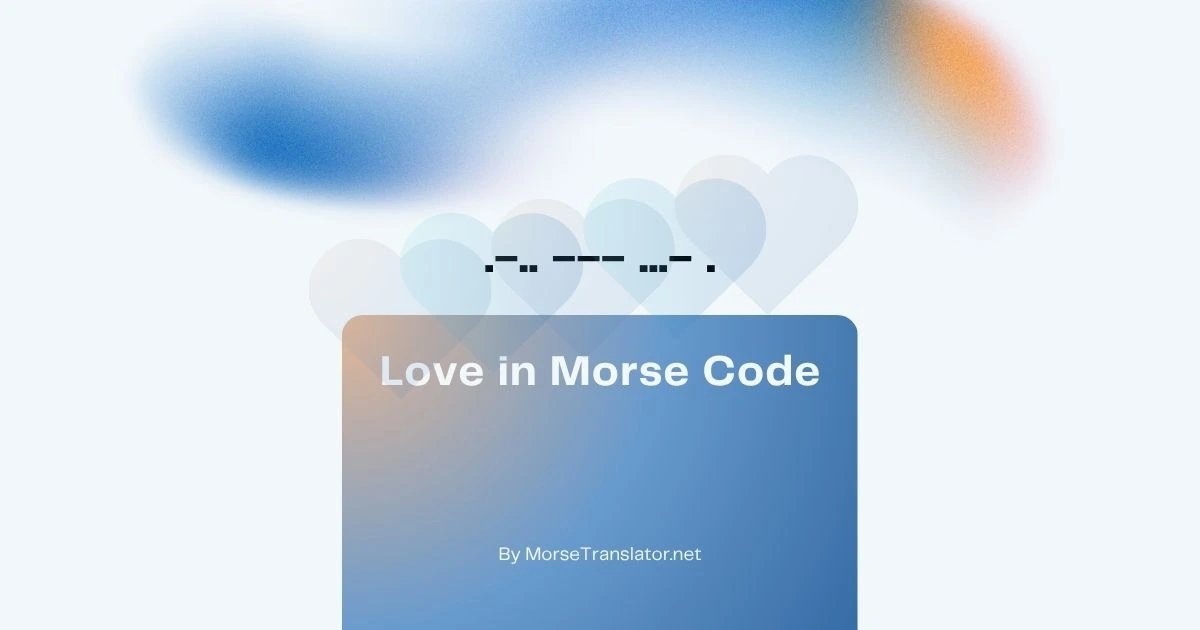
The exact Morse sequence for "love" with a clear breakdown and romantic use ideas.
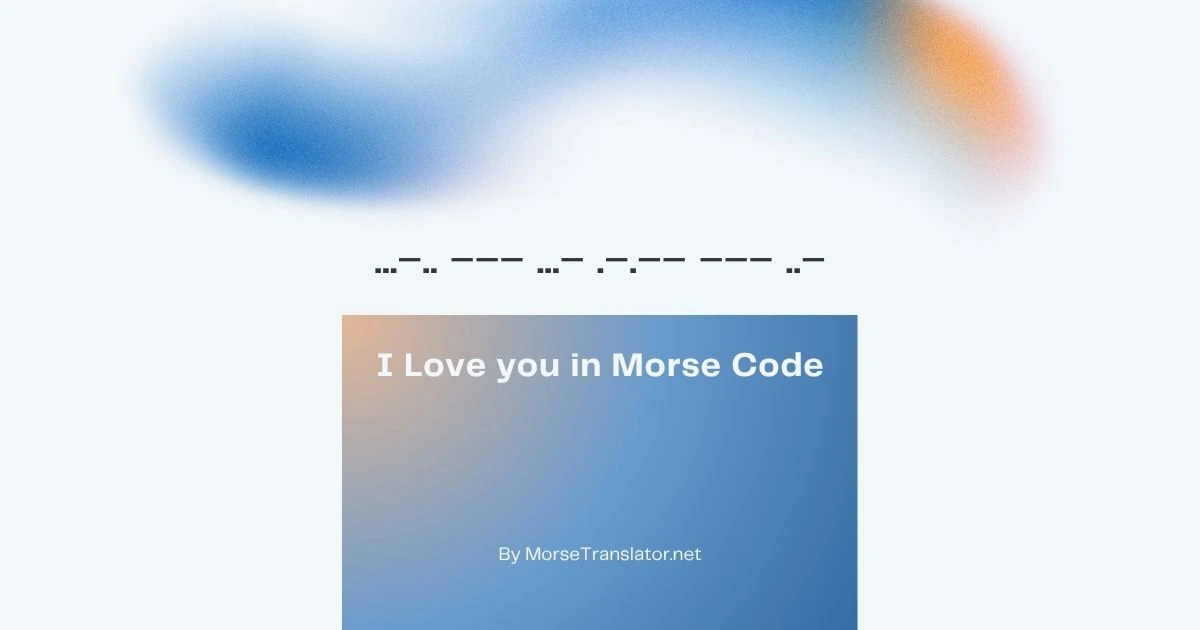
Copy, play, and flash the phrase in Morse code with a simple breakdown and usage ideas.