The History of Morse Code: The Telegraph Invention for Kids


Long ago, there were no phones and computers. People used to use letters to send messages to someone far away. A person on a horse would carry that letter. It could take weeks or even months to arrive!
People wished for a faster way to talk across long distances. They wondered, "Can we use something faster than a horse? Can we use something as fast as lightning?"
Meet Samuel Morse: The Artist Who Dreamed of Lightning Messages
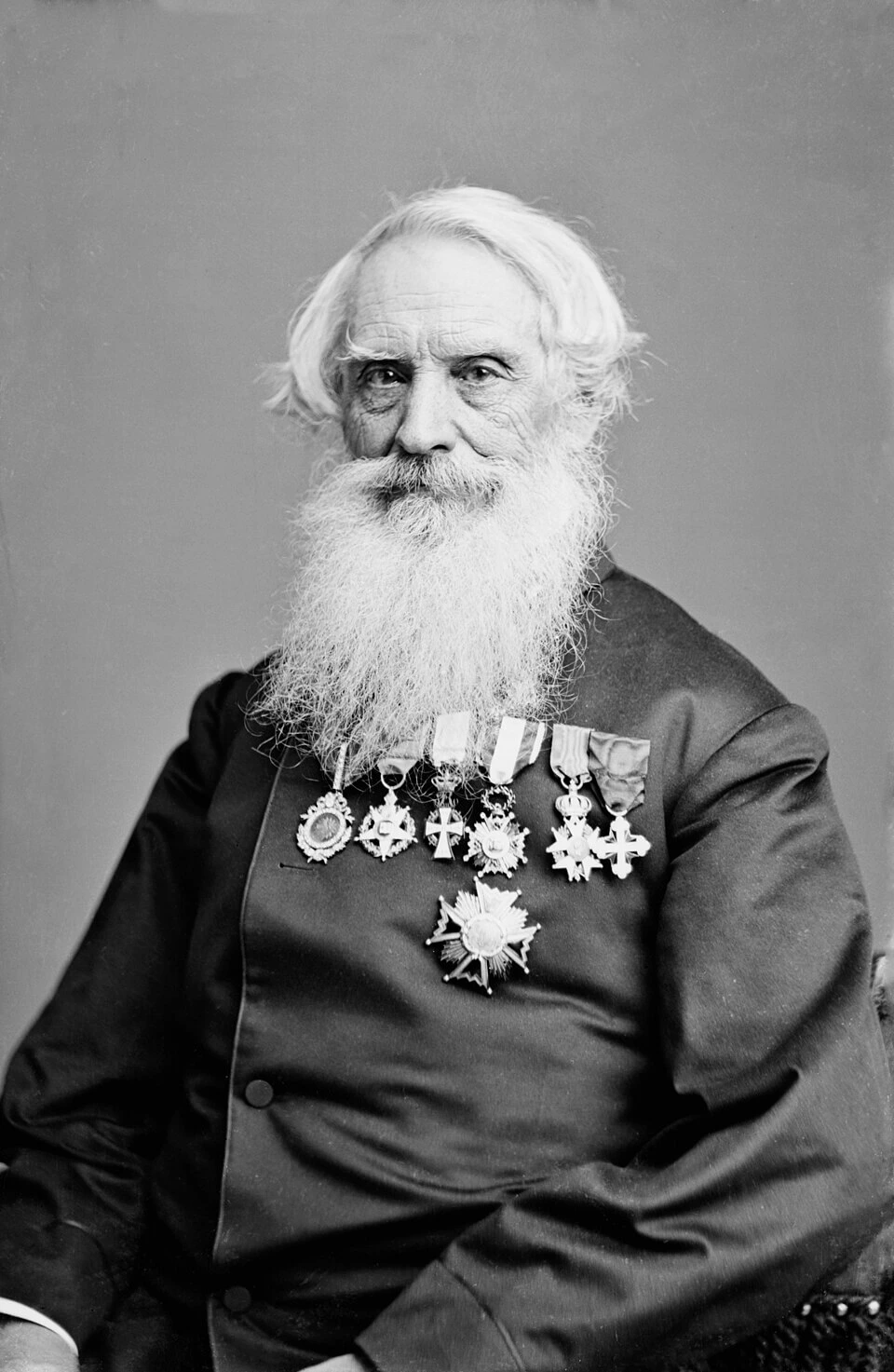
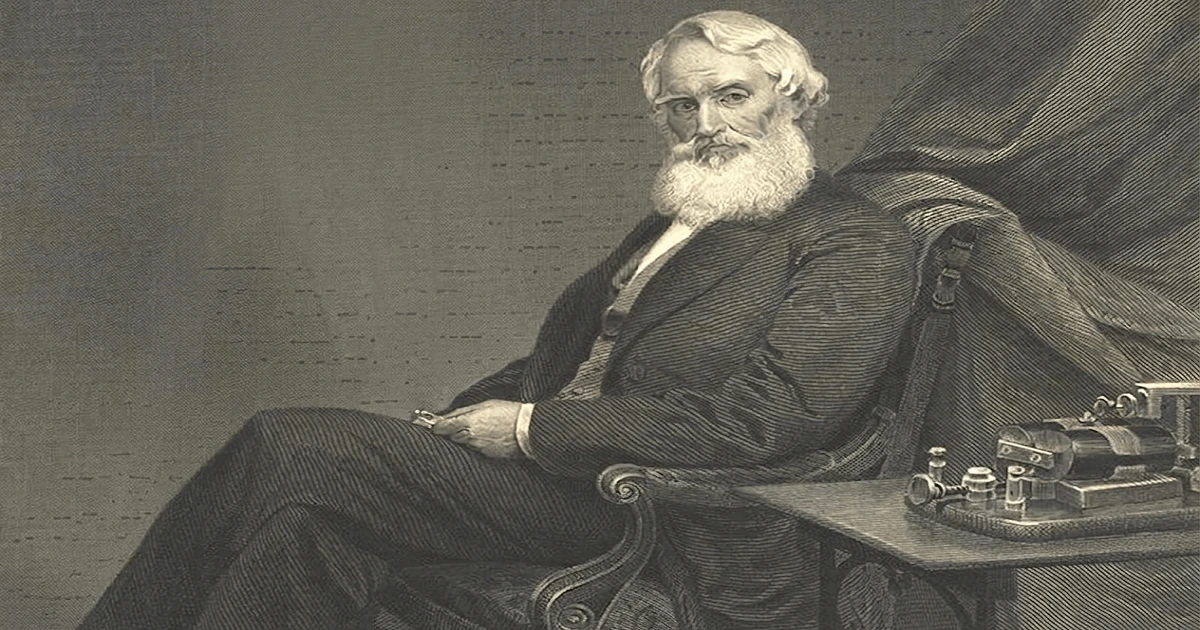
You might think the inventor of the telegraph was a scientist or an engineer. But Samuel Morse was a painter. He loved creating beautiful portraits and big, sweeping landscapes.
His job sent him traveling. While he was away painting far from home, something terrible happened: his wife became very sick. Someone wrote him a letter to rush back. But letters traveled slowly, carried by horses and wagons. By the time the letter reached him and he made it home, his wife had already died.
He had missed his chance to be with her because news moved at horse speed. That heartbreak planted a seed in his mind. He never wanted anyone else to feel that helpless because of slow messages.
Years later, on a long ship voyage, he heard sailors talking about the strange power of electricity and magnets. Could electricity carry a message instantly? He started sketching wild ideas right there on the deck. An artist, a broken heart, and a ship crossing the ocean—that's where the telegraph began.
The Magic of Electricity
Scientists were learning about a new power called electricity. They discovered that electricity could travel very fast through a wire. It could go from one town to another in less than a second!
A man named Samuel Morse had a brilliant idea. He thought, "What if we use electricity to send messages through a wire?" He was a painter, but he became very interested in this problem. He worked with his friends, Alfred Vail and Joseph Henry, to build a machine. To learn more about him, read Why Is It Called Morse Code?
This new machine was called the telegraph. That name comes from words that mean "writing far away."
The Big Race: Could Someone Really Build It?
Morse had a big idea, but he wasn't a tinkerer. He needed help. Alfred Vail was a clever machinist who could turn sketches into real metal parts. Joseph Henry was a scientist who had invented a powerful electromagnet. Together, they made a team.
They worked in a messy workshop, stringing wires out of windows and across rooms. They faced a lot of doubt. Many people said, "You can't send a thought through a wire. It's impossible." But they kept at it.
They ran out of their own money, so they asked the United States Congress for help. Imagine that: asking the government to fund a wild idea! After a lot of arguing, Congress finally said yes. They gave Morse $30,000 to build a test line from Washington, D.C. to Baltimore.
The race was on to prove that lightning could carry words.
How the Telegraph Worked
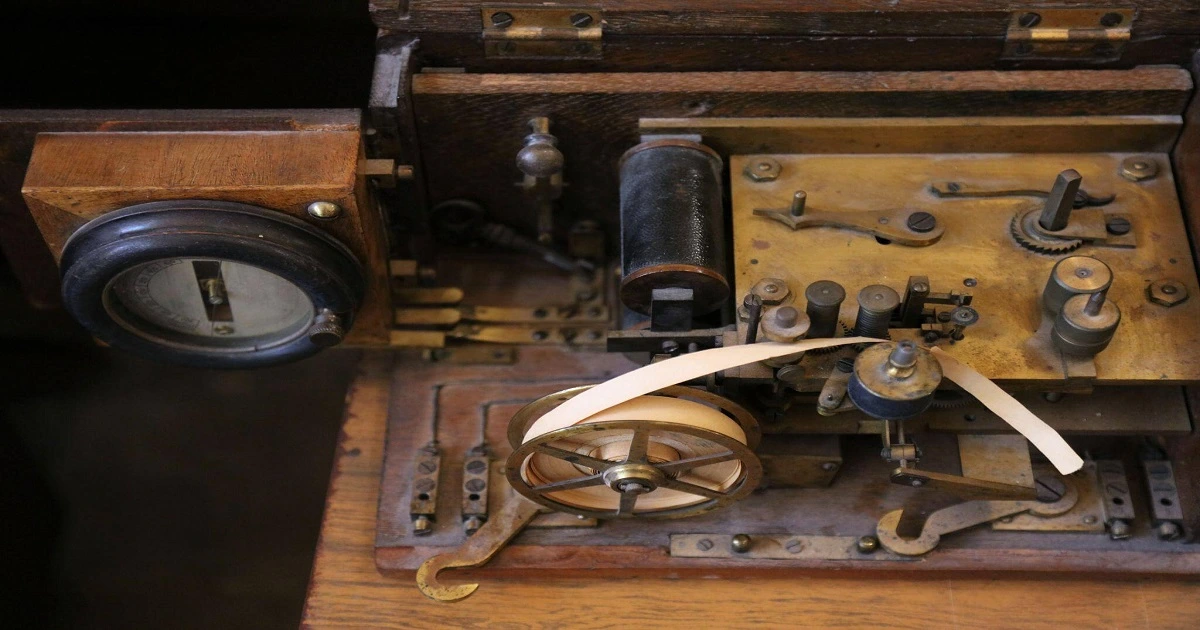
The telegraph was a simple but amazing machine. It used a wire that stretched between two towns. On one end was a switch, called a key. You could press it down to complete an electrical circuit.
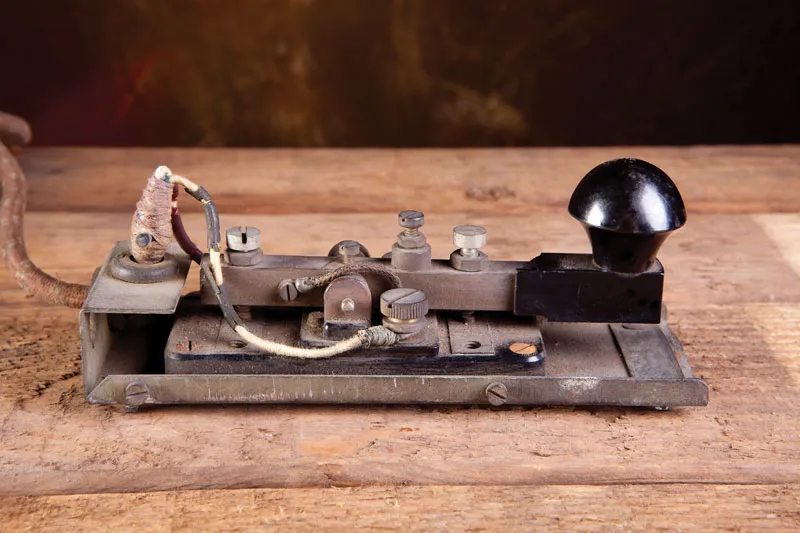
When you pressed the key, electricity flowed through the long wire. On the other end, an electromagnet would get power and pull down a metal arm. This arm would make a clicking sound.
If you let go of the key, the electricity stopped. The metal arm would spring back up, making a different click.
So, you had two sounds: a click for pressing down, and a click for letting go. But how could two clicks become a message?
The Birth of the Dots and Dashes
Samuel Morse and Alfred Vail needed a secret language for their clicks. A short, quick press was a dot. We call it "dit." A dash was a long press, where you hold the key down. We call it "dah."
They gave every letter and number its own special pattern of dots and dashes. This secret language was the first Morse code.
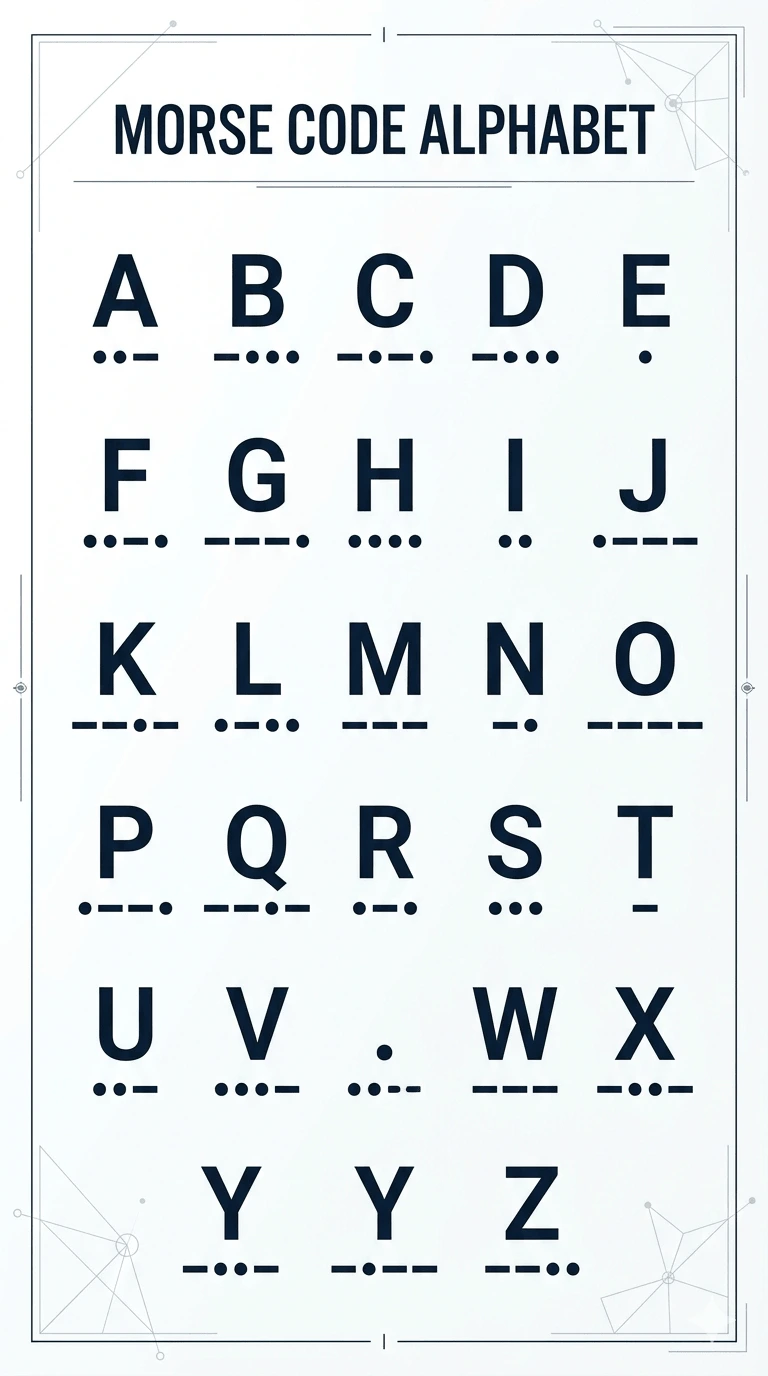
The operator would tap the key to spell out a message. Click-clack, click-click-clack! Miles away, another operator would hear the clicks and write down the dots and dashes. Then, they would translate them back into words.
How They Gave Every Letter Its Own Song
Did they just make up random patterns? Not at all. Alfred Vail did something very clever. He took a newspaper and counted how many times each letter appeared.
He discovered that some letters are used much more often than others. The most popular letter of all? E.
So they gave E the simplest, fastest code: a single dot. Just a quick tap. The letter T got one dash. Less common letters, like Q or Z, got longer patterns.
This made messages quick to send. It was like giving every letter a little rhythm—a secret song only the telegraph operator knew.
To go beyond letters, check out Morse code numbers and punctuation so you can encode complete real-world messages.
Fun Fact:
The Morse code for "E" is just one dot because E is the most common letter in the English language. Next time you read a sentence, notice how many times E shows up. A single tap says it all!
The First Famous Message
In 1844, everything was ready. Samuel Morse sent the very first public telegraph message. He sent it from Washington, D.C., to a city called Baltimore.
People were absolutely astonished. A message had traveled faster than anyone thought possible. It was like magic.
What Did That First Message Say?
The words Morse tapped out have become legendary. He sent a phrase from the Bible: "What hath God wrought."
That old-fashioned phrase means "What amazing thing has God done?" Morse chose it because he felt this invention was truly a miracle. A thought had crossed 40 miles in a split second.
A young girl named Annie Ellsworth suggested those very words. Imagine being the person who named the first telegram!
The Telegraph Spreads Like Wildfire
After that first success, everybody wanted a telegraph line. Within just a few years, poles and wires stretched from city to city. Companies like Western Union built networks that connected the whole country.
News that used to take weeks now arrived in minutes. A newspaper could report an event that happened the same day, hundreds of miles away. Train stations used telegraphs to let each other know when a train was coming, which prevented crashes. The Pony Express, with its brave riders, was no longer needed.
For the first time in history, you could hear what happened on the other side of the country while it was still fresh.
Under the Ocean: The Crazy Dream That Came True
Once land was covered in wires, people looked at the oceans. Could we connect America to Europe? The idea sounded like science fiction. The Atlantic Ocean is huge and deep, full of storms and mountains under the water.
A businessman named Cyrus Field refused to give up on the dream. Giant ships set out to lay a cable across the ocean floor. The first cable was laid in 1858, and messages crossed the ocean—for three weeks. Then it failed. The world was heartbroken.
But they tried again. And again. Finally, in 1866, a permanent cable was laid. Now a message could jump from New York to London in seconds, not weeks. It was like building the world's longest, most dangerous jump rope—and winning.
The world had shrunk from a giant planet to a small room where everyone could whisper to each other.
Wires Across the World
Soon, telegraph wires began to spread everywhere. They went across the land on tall poles. Then, people laid special cables under the ocean! This connected different countries.
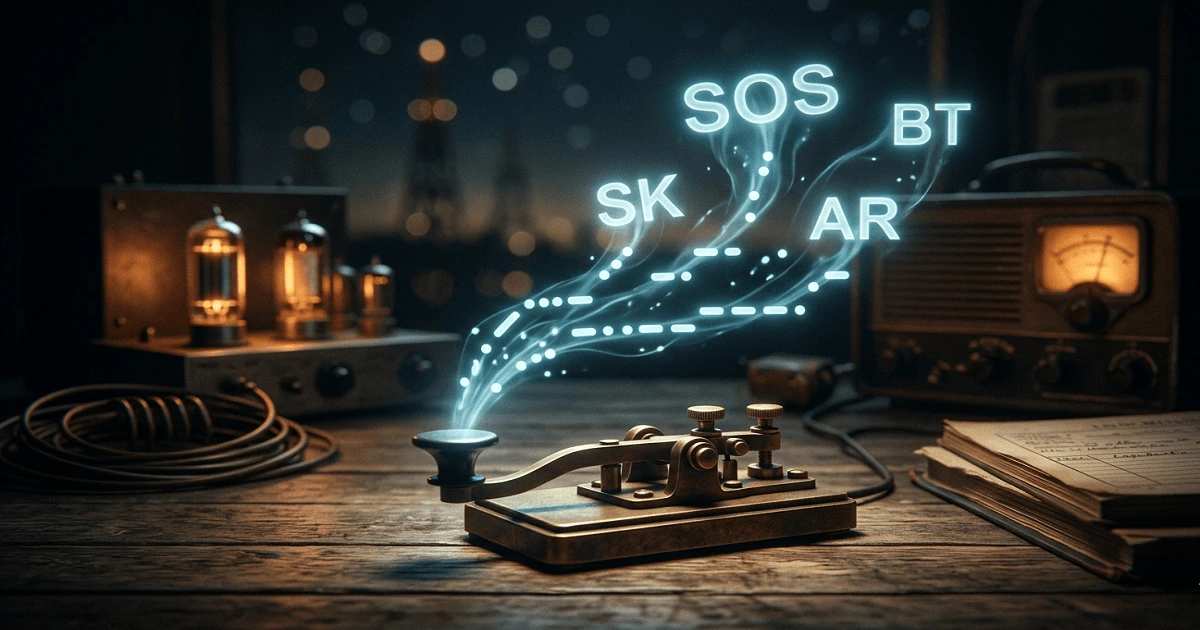
The telegraph shrank the world. News from across the country could be known the very same day. Trains could run on safer schedules because stations could telegraph ahead. It changed everything. This new communication method also paved the way for universal distress signals like SOS. Many common Morse code words and phrases also originated during this era to make communication more efficient.
So, the next time you send a text message in a flash, remember the telegraph. It was the very first "text message," sent with clicks and clacks, and it all started with a simple idea and a brilliant code. You can also explore modern uses of Morse code to see its continued relevance.
Morse Code Becomes the World's Rescue Language
As ships started carrying wireless telegraphs, Morse code became a guardian at sea. When a ship was in trouble, the operator could tap out a cry for help that any nearby ship could hear.
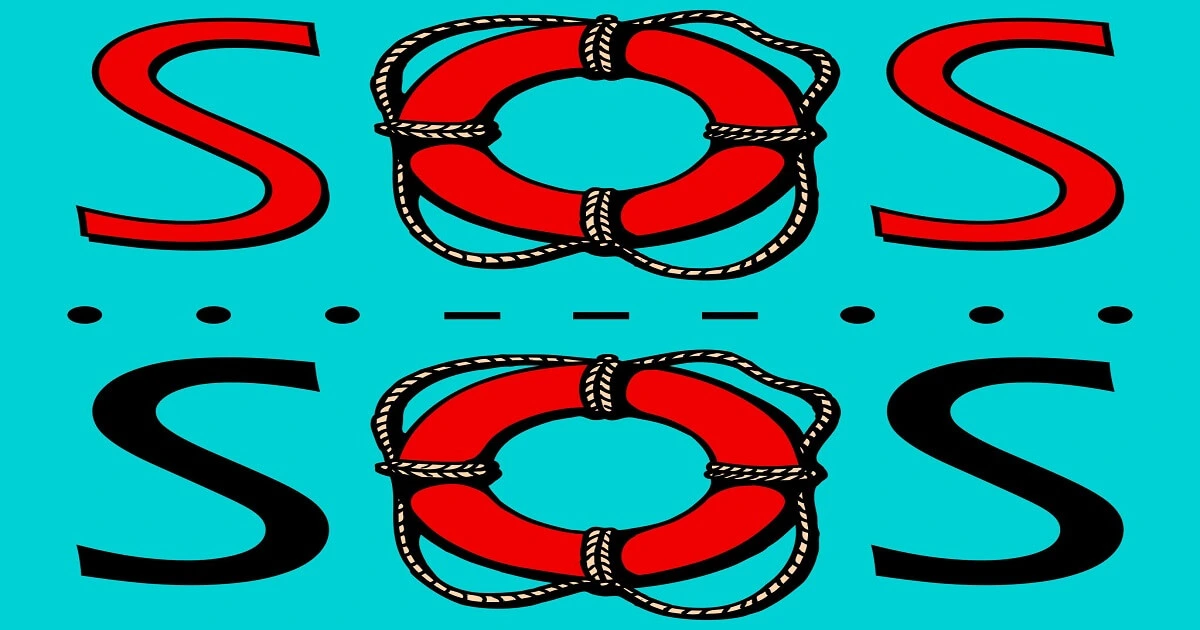
The most famous distress call is, of course, SOS: dot-dot-dot, dash-dash-dash, dot-dot-dot. It doesn't stand for anything—it was chosen because it's so simple to send and impossible to mistake.
In 1912, when the Titanic hit an iceberg, its radio operators sent out frantic SOS calls in Morse code. Ships that heard those dots and dashes rushed to help, saving hundreds of lives. Even today, pilots and sailors learn Morse code for emergencies, because a simple tap can travel when voices cannot.
This secret clicker language became a lifeline for the whole world.
Pro Tip:
You can send an SOS with anything—a flashlight, a whistle, or even just tapping on a table. Three short, three long, three short. Now you know a code that can call for help.
Your Turn to Play with Lightning
Morse code isn't just history. It's a secret language you can learn right now. You can tap out your name with a pencil. Blink a message to a friend across the room with a flashlight. You become part of a long chain of dreamers, artists, and inventors who believed that lightning could carry thoughts.
New to learning? This step-by-step guide can help you learn Morse code fast.
Grab a notepad, make up your own rhythm, and listen for the dots and dashes. The telegraph may be old, but the spark it started is still alive.
Feeling inspired? Jump back up and try our translator. Watch your words turn into those timeless clicks and clacks. You're now a member of the world's first texting club.
I hope that you found this article about the history of Morse code and the telegraph invention for kids both informative and fun! If you did, please share it with your friends and family.