
Modern Uses & Tools
Discover how Morse code is still relevant today, from amateur radio to artistic expressions and emergency signals.


Morse Code in Today's World
Morse code outlasted the telegraph by more than a century, and it's still going. The reasons aren't sentimental. In specific situations, Morse code offers something modern systems can't: simplicity that works when everything else fails.
At the same time, it has found a completely different audience in creative and personal expression. The same system that guided ships through fog is now encoded in wedding rings and tattoos.
Practical and Emergency Uses
In real-world emergencies, Morse code's biggest advantage is that it requires almost no equipment. A flashlight, a mirror, two rocks, or a whistle; anything that can make a repeating signal can transmit a message.
Search and rescue teams still train in Morse recognition for exactly this reason. If someone is trapped or stranded without phone signal, flashing SOS (... --- ...) toward an aircraft or distant observer remains a recognized and effective distress call. You can also learn how to send help in Morse code.
In remote areas and disaster zones where radio infrastructure is damaged, shortwave amateur radio operators, who often know Morse, are sometimes the only reliable communication link available. After major earthquakes and hurricanes, HAM radio operators using Morse have relayed critical information when cell networks were down.
Morse Code in Accessibility Technology
One of the most significant modern uses of Morse code is in assistive technology. In 2018, Apple added Morse code as an input method in iOS Switch Control, allowing users to type using just two buttons, or even two facial gestures, mapped to dots and dashes.
Google followed with a Morse code keyboard in Gboard (Android), developed in collaboration with a ALS researcher who uses it as his primary communication method. For users with conditions like ALS, cerebral palsy, or spinal cord injuries that limit fine motor control, Morse input can be faster and more reliable than other alternative input methods.
This is not a niche workaround; it is a well-supported, documented accessibility feature on two of the world's most widely used mobile platforms.
Creative and Personal Uses
Morse code has developed a strong presence in design and personal expression, largely because it adds a hidden layer of meaning to physical objects.
Common uses include:
- Jewelry: Bracelets, necklaces, and rings with words like "love," "brave," or a person's name encoded in Morse using beads, knots, or metalwork
- Tattoos: Morse code tattoos are popular because they carry meaning that only the wearer (and those who know Morse) can read
- Custom gifts: Keychains, cufflinks, mugs, and prints with personalized phrases in Morse have become a niche but steady market
- Hidden messages in design: Graphic designers and artists occasionally embed Morse in logos, album artwork, and architectural details
If you want to create something like this, our translator lets you instantly encode any word or phrase and see exactly how it looks in dots and dashes. You can try that directly in the MorseTranslator.net tool.
Why It Still Matters
Morse code has survived this long because it solves a real problem: communicating with minimal resources under difficult conditions. No battery required beyond a signal source. No software. No network.
In a world that depends heavily on complex, interconnected systems, Morse code is a rare example of a communication method that cannot be taken offline. That practical reliability, combined with its growing use in accessibility and personal expression, is why it's still worth learning today. If you want to do more than read about it, continue with our practice page or learn to send Morse code with a flashlight.
Discover More About Modern Morse Code Uses & Tools
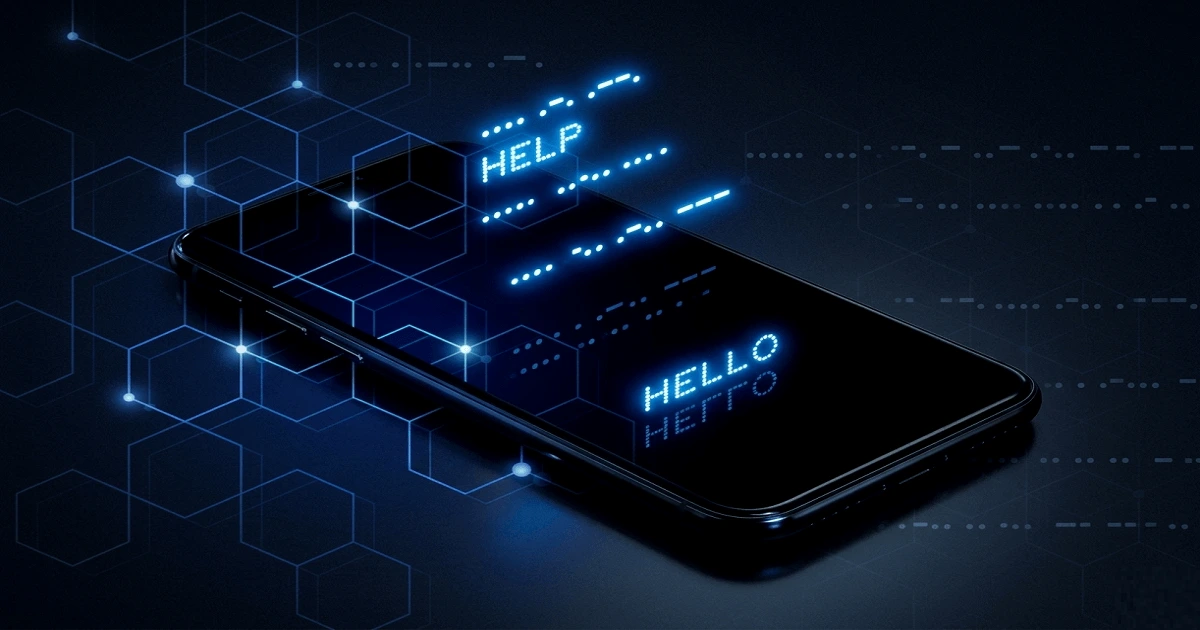
Discover 5 surprising ways people use Morse code today, from helping people with disabilities to secret tech tricks.
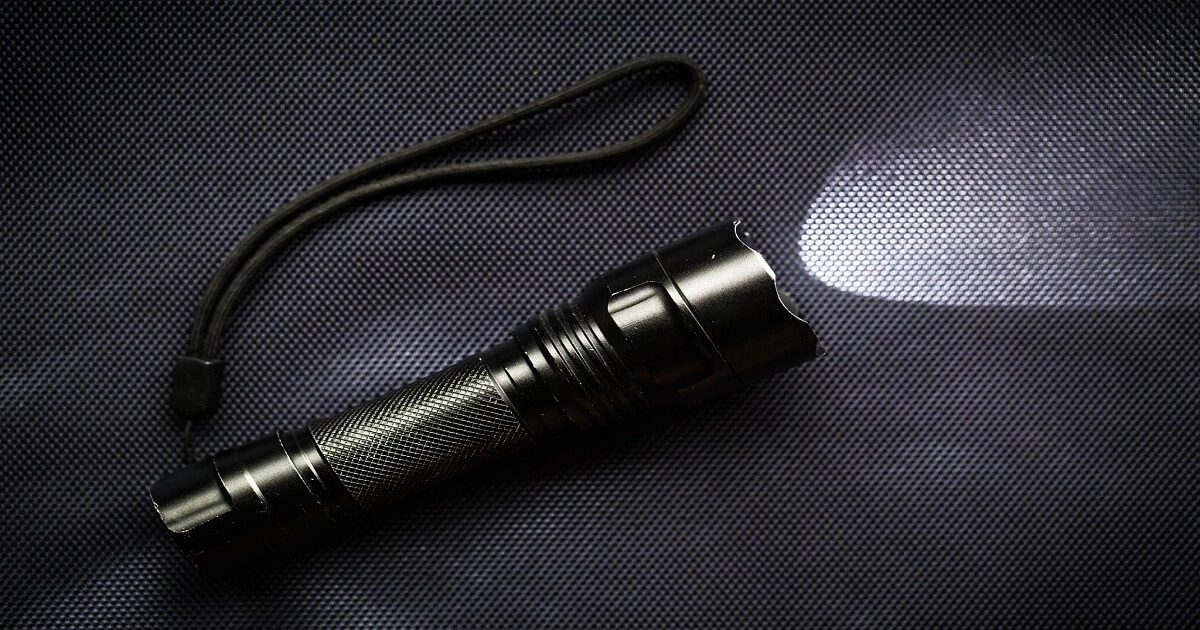
Learn how to send secret messages with just a flashlight! Our easy step-by-step guide for kids and beginners.