
The History & Culture of Morse Code
Imagine waiting days for a message to arrive by horse or ship. Then suddenly, a few quick taps on a telegraph key could send words across an entire country in minutes.
That's the magic of Morse code. A hidden language built from tiny sounds and flashes that connected people long before smartphones, email, or social media existed.


Why Morse Code Still Matters
Pilots, HAM radio operators, emergency crews, and hobbyists still use Morse code because simple signals can travel clearly even in rough conditions.
A Global Communication Breakthrough
Morse code helped businesses, railroads, newspapers, ships, and governments send information at speeds people had never seen before.
Easy to Learn, Hard to Forget
Once you learn a few letters and rhythms, Morse starts feeling like music or a heartbeat. That's part of why people still enjoy practicing it today.
Why the History of Morse Code Still Fascinates People
Morse code feels timeless because it turns language into rhythm.
A short beep. A long beep. A pause. That's all it takes.
Even kids who hear Morse code for the first time often try tapping secret messages on a desk within minutes. There's something playful about it. It feels like a hidden language that anyone can learn.
The bigger surprise? Morse code wasn't built as a hobby. It solved a huge problem.
Before telegraphs existed, messages moved only as fast as a person, horse, train, or ship could travel. Families waited weeks for news. Businesses lost money because information moved slowly. Governments struggled to coordinate across long distances.
Fun Fact: The shortest Morse code letter is “E.” It uses just one dot. The letter “T” uses one dash. Morse designers gave common letters the shortest signals so operators could send messages faster.
How Morse Code Was Invented
Morse code was developed in the early 1830s by Samuel Morse and his colleague Alfred Vail. The goal was to create a system that could transmit messages over electrical telegraph wires using a simple on/off signal: no voice, no handwriting required.
What made their system clever wasn't just the dots and dashes. Morse and Vail designed the code so that the most frequently used letters in English were assigned the shortest sequences. The letter "E", the most common in English, is just a single dot (·). "T" is a single dash (−). This made transmission faster and reduced operator fatigue during long sessions.
Morse Code Timeline: From Telegraph Wires to Radio Signals
A quick look at the biggest moments in Morse code history.
Samuel Morse Begins Testing Telegraph Ideas
Early electrical experiments led Samuel Morse and Alfred Vail to build a message system using short and long signals.
First Famous Telegraph Message
The message “What hath God wrought” traveled from Washington to Baltimore and stunned people across America.
Telegraph Wires Spread Across Continents
News, business updates, and personal messages could move faster than horses or ships for the first time.
SOS Becomes the International Distress Signal
Ships worldwide adopted the simple dot-dot-dot, dash-dash-dash, dot-dot-dot emergency call.
Official Maritime Retirement
Modern satellite systems replaced Morse code for commercial maritime communication.
Still Used Around the World
HAM radio operators, pilots, students, and hobbyists continue to keep Morse code alive.
What Made the Telegraph Era Feel So Revolutionary?
Before telephones and the internet, the telegraph was the fastest long-distance communication technology in the world. Telegraph lines spread rapidly across the United States and Europe through the 1840s and 1850s, and trained operators could send and receive dozens of words per minute in Morse code.
The impact was immediate and dramatic. News that once took days to travel by horse could now cross an entire continent in minutes. Stock prices, weather reports, military orders, and personal messages all moved through the same network of wires and trained operators tapping on brass keys.
At its peak in the early 20th century, Western Union employed tens of thousands of telegraph operators. Morse code was, for decades, the backbone of global communication. For a closer look at that shift, see our telegraph history guide.
| Before Morse Code | After Morse Code |
|---|---|
| Messages traveled by horse or ship | Messages traveled instantly through wires |
| News could arrive days late | Breaking news spread rapidly between cities |
| Long-distance coordination was difficult | Railroads and businesses could communicate quickly |
| Emergency alerts moved slowly | Distress signals could reach help faster |
The SOS Signal and the Message Everyone Recognizes
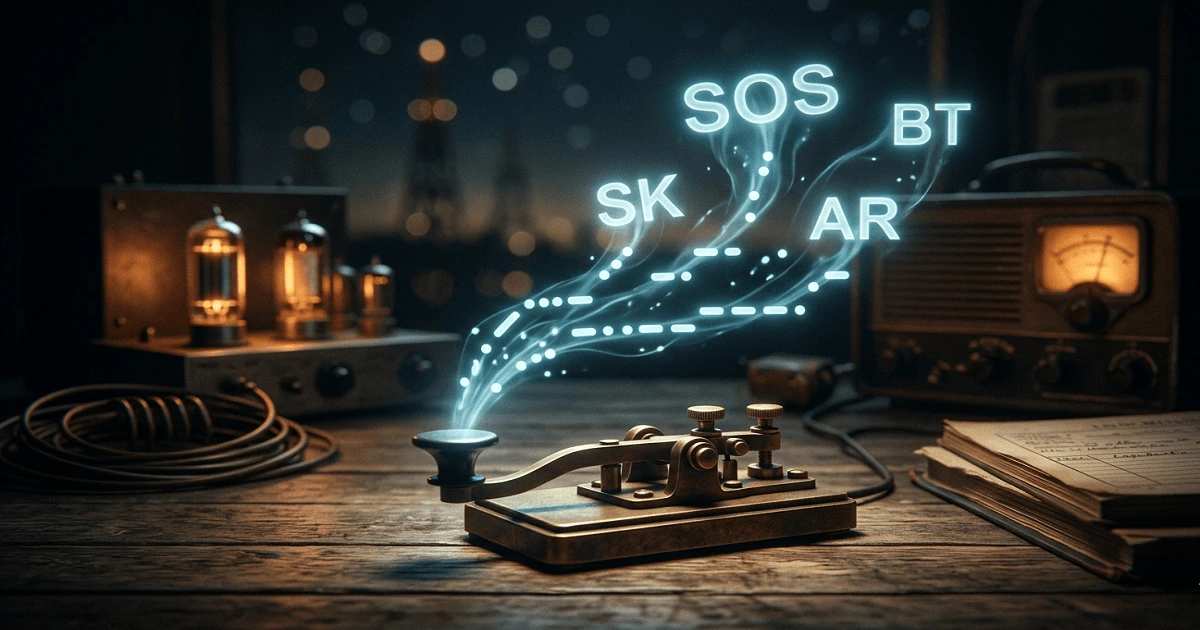
The distress signal SOS, dot-dot-dot, dash-dash-dash, dot-dot-dot (···−−−···), was adopted as the international standard in 1908, partly because it's impossible to misread. The pattern is perfectly symmetrical and stands out clearly against background noise or interference.
Contrary to popular belief, SOS doesn't officially stand for "Save Our Souls" or "Save Our Ship." It was chosen purely for its simplicity and distinctiveness in Morse code. The phrase associations came later, as a memory aid.
The signal became globally recognized after the RMS Titanic disaster in 1912, when radio operators aboard the ship transmitted SOS repeatedly, one of the first high-profile uses of the signal in a real emergency. To this day, SOS remains a recognized international distress signal used with light, sound, and radio.
Morse Code Today: Where You Still See It
Morse code was officially retired from maritime use in 1999, when satellite and digital radio systems made it redundant for professional communication. But it never disappeared.
Today, Morse code is actively used in:
- Amateur (HAM) radio: Millions of licensed operators worldwide still use Morse on shortwave frequencies, and many regard it as the clearest signal in poor conditions
- Aviation: Navigational beacons called VORs and NDBs still broadcast their identifier in Morse code, which pilots are trained to recognize
- Accessibility technology: Both Apple's iOS and Google's Android include Morse code input options for users with limited mobility
- Education and hobbyist use: Schools, scout programs, and online communities continue to teach and practice Morse as a skill worth preserving
It remains one of the few pre-digital communication systems still in practical use over 180 years after its invention. You can see that continuity more clearly in our modern uses of Morse code guide.
Morse in Aviation
Navigational beacons still broadcast Morse identifiers so pilots can confirm they're following the correct signal.
Morse with Flashlights
Campers, hikers, and emergency responders still practice Morse signaling with flashlights.
Learn how to send Morse with a flashlightEasy Memory Tricks for Learning Morse Code
Morse code feels easier once you stop thinking of it as random dots and dashes.
Instead, think about rhythm.
Many experienced operators memorize Morse by sound patterns instead of visual symbols.
For example:
| Letter | Morse Code | Memory Tip |
|---|---|---|
| E | . | Shortest possible signal |
| T | - | One long sound only |
| S | ... | Three quick taps |
| O | --- | Three long sounds |
Frequently Asked Questions
Continue Exploring Morse Code History & Learning
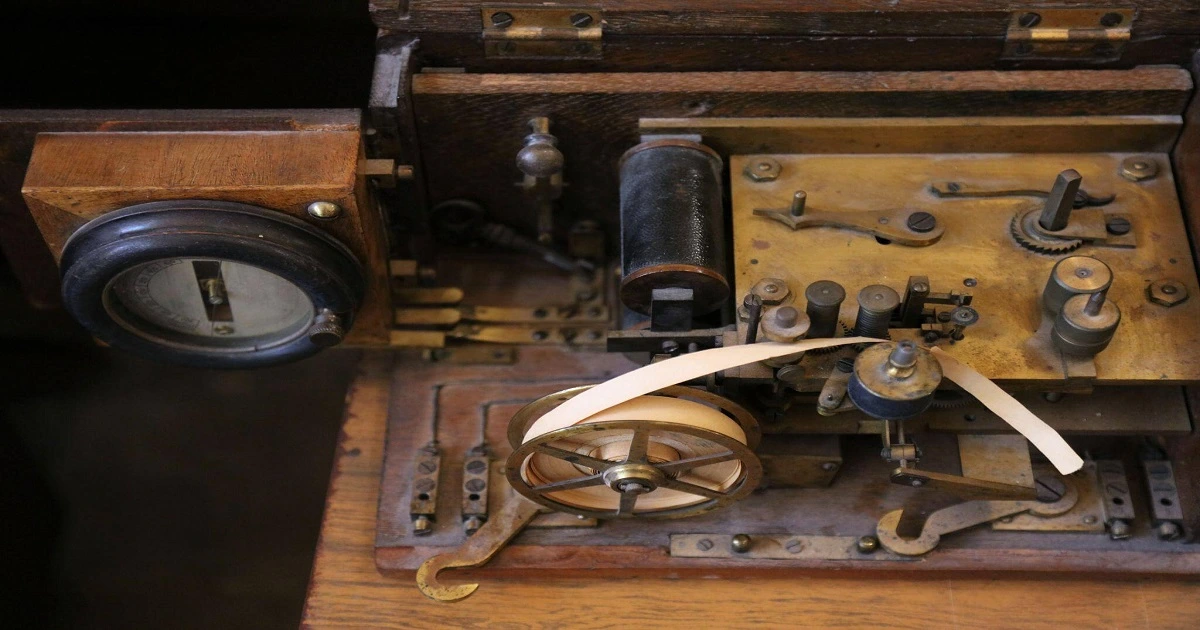
See how telegraph wires changed communication forever and why Morse code spread so quickly.
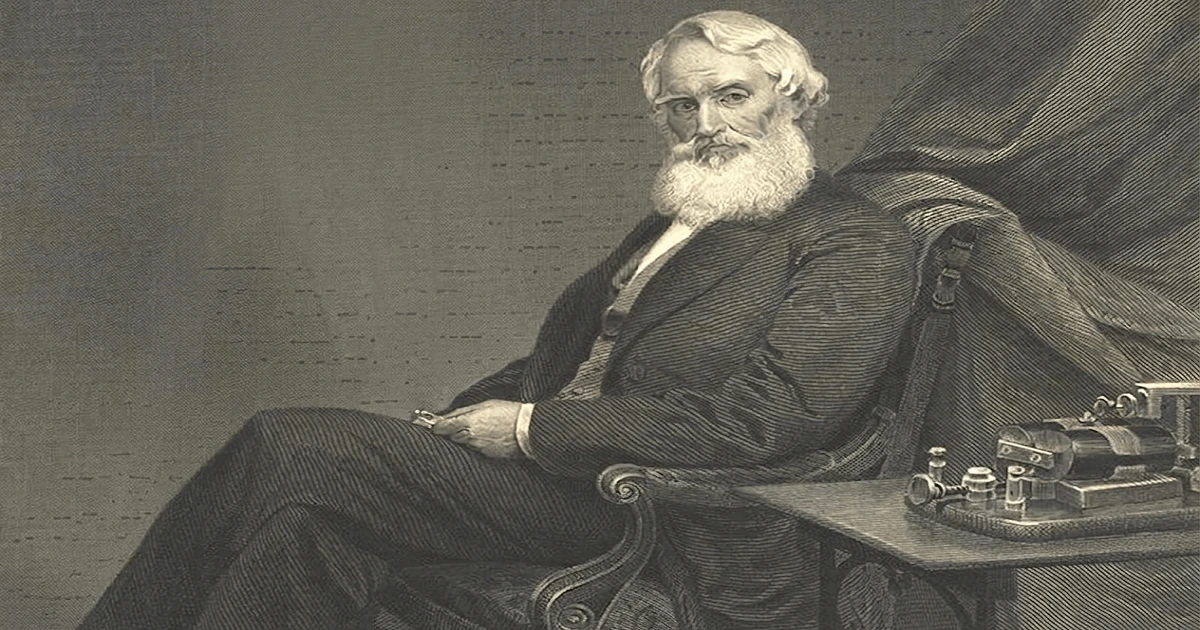
Meet Samuel Morse and Alfred Vail, the minds behind one of history's most famous communication systems.
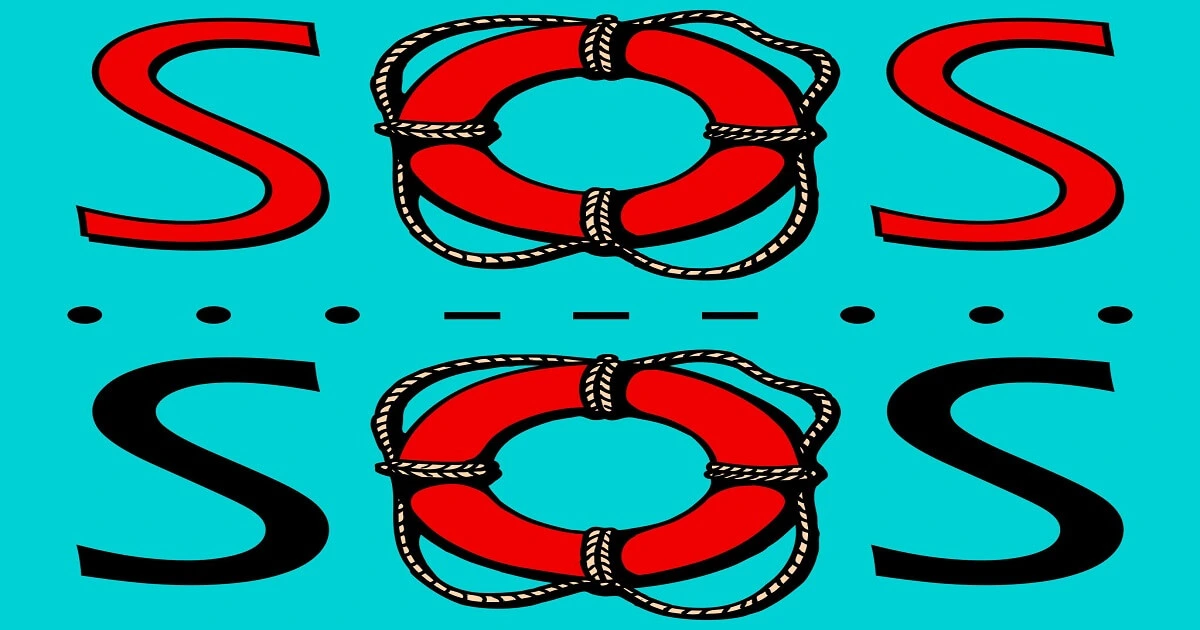
Learn why SOS became the world's best-known distress signal and how people still use it today.
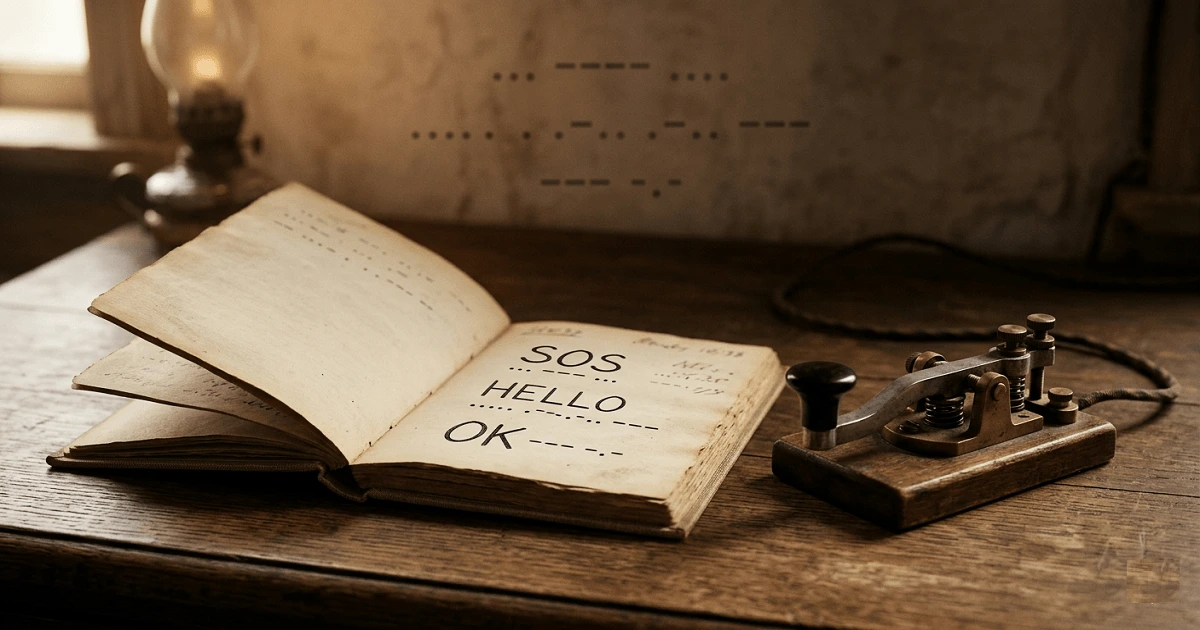
Explore famous Morse code phrases, radio shorthand, and hidden messages from the telegraph age.
From SOS to 73, learn the shorthand operators use to send faster, clearer messages.