5 Cool Modern Uses for Morse Code Today


Is Morse Code Still Alive?
You might think Morse code is a thing of the past. You might picture old sailors in dusty radio rooms or telegraph operators from black-and-white movies. But here is the surprising truth: Morse code is not dead. Not even close.
People still use it in clever, creative ways today. It has become a secret tool that solves modern problems in unexpected places. From helping people with disabilities communicate to serving as a backup system for astronauts in space, dots and dashes are still very much alive. Let us explore five cool ways people use Morse code right now.
1. Helping People with Disabilities
This is perhaps the most important and meaningful modern use of Morse code. Some people cannot move their arms or legs easily. Some people cannot speak at all. But that does not mean they have nothing to say.
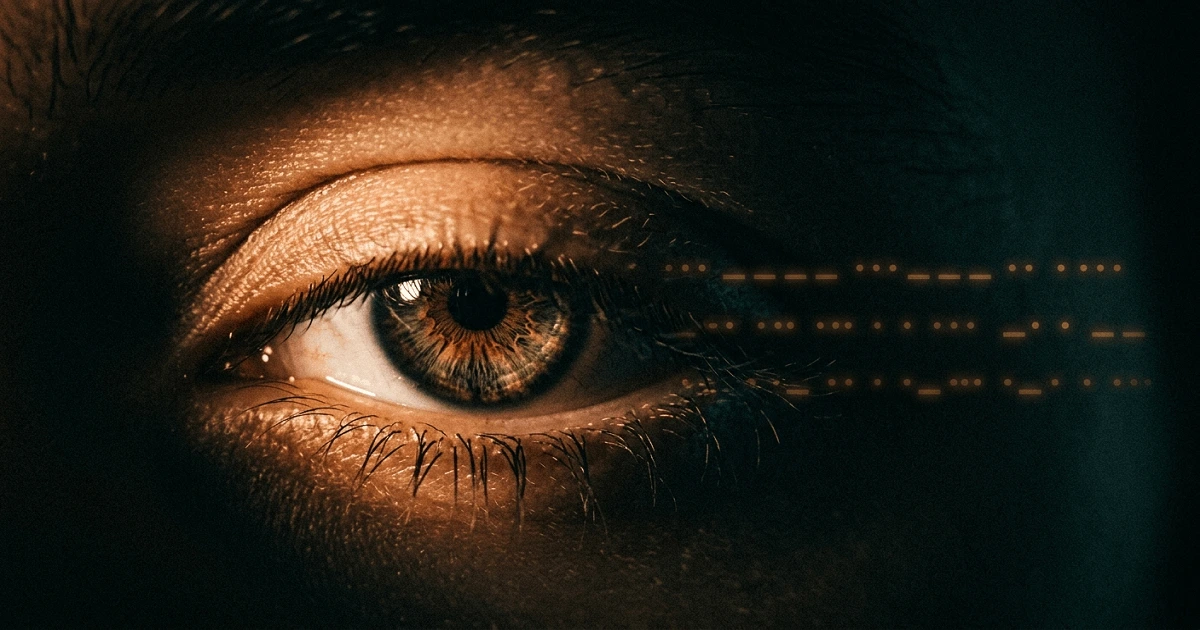
Technology has opened doors that were once closed. Special computers can be equipped with a simple switch that a person can control, even with very limited mobility. They might tap it with a single finger, press it with their foot, or even trigger it by blinking an eye. That single switch becomes their connection to the world.
Here is how it works. The person taps out Morse code using short and long presses on their switch. The computer understands the pattern of dots and dashes. It instantly converts the code into text. Then, it can speak those words out loud through a voice synthesizer. One tap at a time, thoughts become words and words become speech.
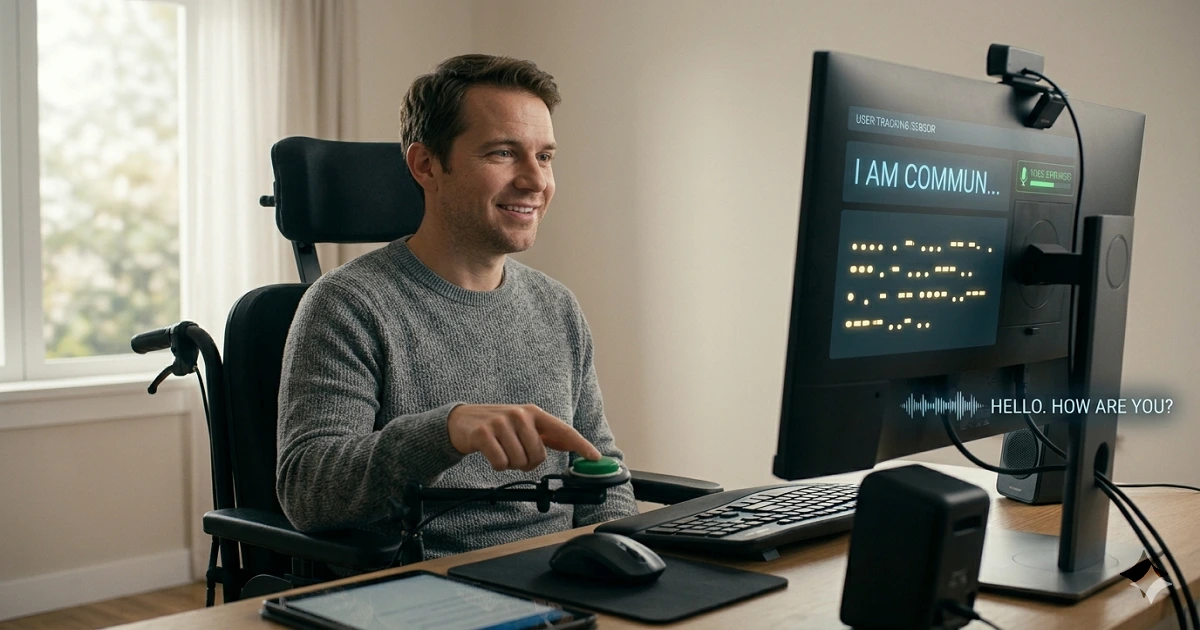
This system gives a real voice to someone who cannot speak. It is not just clever technology. It is freedom, dignity, and connection all rolled into one. It also proves why learning the core Morse code alphabet still genuinely matters today. For many people, those dots and dashes are not a hobby. They are a lifeline.
2. A Secret Skill for Pilots and Astronauts
When you are flying a plane thousands of feet above the ground, things can go wrong in ways you never want to imagine. Your radio might stop working. Your electronic systems might fail. How do you communicate with the air traffic controllers on the ground when your voice cannot reach them?
Pilots learn Morse code as a backup skill for exactly this kind of scenario. Every commercial and private pilot knows that if all else fails, they can use their plane's navigation lights to flash an SOS or another urgent message. The controller on the ground can see those flashes and understand immediately that the aircraft needs help.
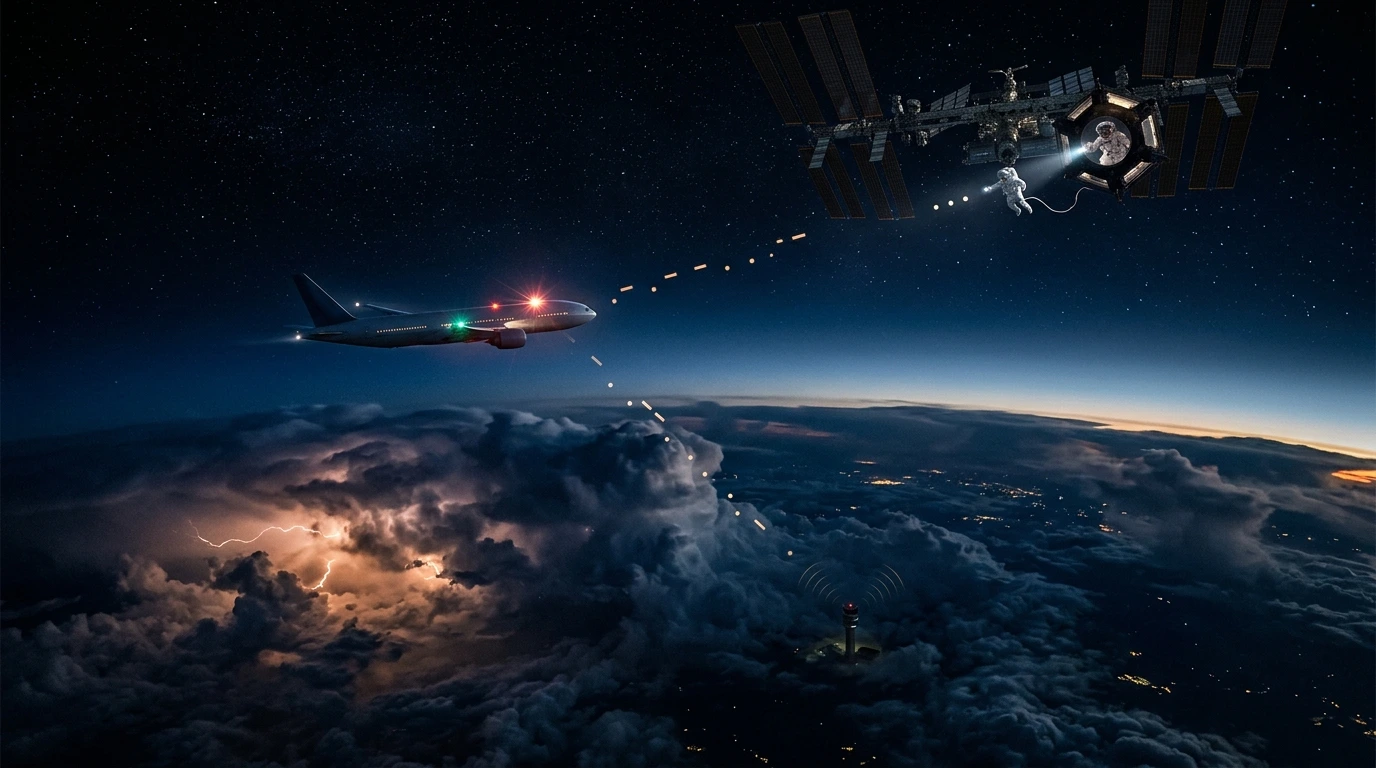
Even astronauts prepare for the worst. On the International Space Station, orbiting far above the Earth, astronauts receive training in Morse code. It is the ultimate last-resort communication method. If every computer crashes and every radio system dies, a simple flashing light and the knowledge of dots and dashes could be the only bridge back to mission control. It is a simple system that always works, no matter how advanced or broken the technology around it becomes.
3. Sending Super-Secret Messages
In military operations, silence can mean the difference between success and failure, between safety and danger. Soldiers sometimes need to communicate with each other without making a single sound. Speaking on a radio is too risky because the enemy might be listening. Even a whisper could give away their position.
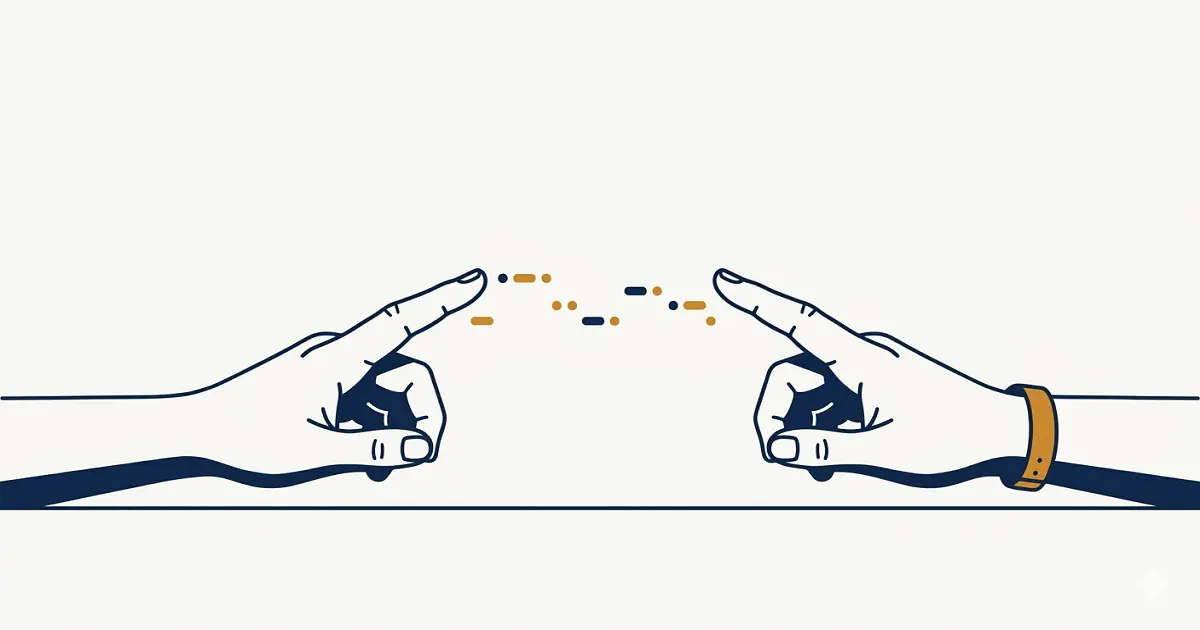
That is where a clever technique called "squeezing" comes into play. One soldier can squeeze another soldier's hand or arm in a specific rhythm. A short squeeze equals a dot. A longer squeeze equals a dash. Letter by letter, word by word, they can hold an entire conversation without ever opening their mouths.
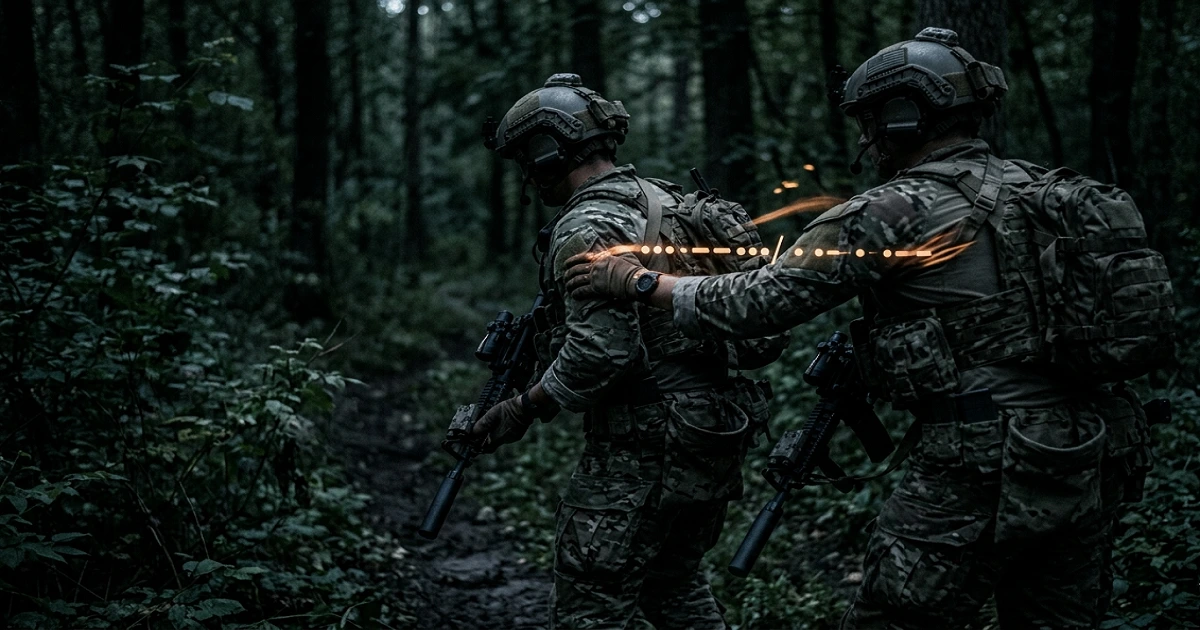
Imagine a team moving through complete darkness. They are close enough to touch but cannot see each other. A quick squeeze-squeeze-squeeze followed by a long squeeze. That is the letter V, maybe part of a larger message. The team stays coordinated and informed while remaining completely silent and invisible. It is a secret language that requires no equipment, no batteries, and no traceable signal.
4. A Fun Hobby for Radio Friends
All around the world, there is a passionate community of people called ham radio operators. They love nothing more than connecting with strangers in distant countries using special radio equipment. It is a hobby built on curiosity, friendliness, and the thrill of making contact across oceans and continents.
Morse code is a very popular way for these operators to talk. They call it CW, which stands for Continuous Wave. The equipment needed for CW is surprisingly simple compared to voice radio gear. Even a basic transmitter can send a Morse signal across the globe.
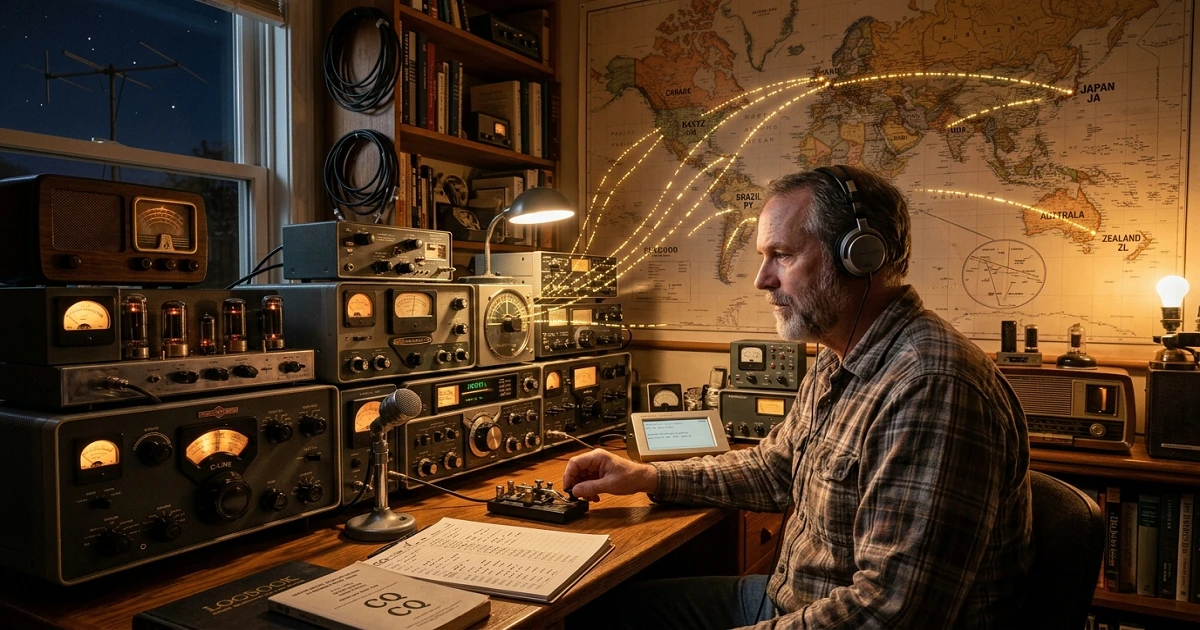
Ham operators will tell you that Morse code signals can travel astonishing distances, often reaching places where voice signals simply cannot penetrate. On a good night, with the right atmospheric conditions, a small radio and a simple key can let you tap out a conversation with someone in Japan, Brazil, or New Zealand. Many of these friendly exchanges use common Morse code words and phrases that make communication smooth and efficient. The global ham community keeps the tradition alive, one CQ call at a time.
5. Learning and Brain Games
Learning Morse code is like a fun puzzle designed specifically for your brain. It challenges your memory, sharpens your listening skills, and trains your mind to recognize patterns faster. Unlike passive activities like watching television, practicing Morse code actively engages multiple parts of your brain at once.
Many apps and websites have turned Morse code learning into an entertaining game. You can earn badges for completing lessons, beat your high score on speed drills, and compete with other learners around the world. It feels less like studying and more like playing. The progress is visible, and the motivation stays high.
Doctors and researchers say that learning new skills like Morse code is excellent exercise for your mind. It builds new neural pathways and keeps your brain flexible and healthy. Whether you are a student looking for a mental challenge or an older adult wanting to keep your mind sharp, Morse code offers a rewarding workout. If you want to get started quickly, check out our guide on 5 Fast & Easy Methods to Learn Morse Code.
A Code for the Future
Morse code is not just something you find in dusty history books. It is a living, breathing code that continues to help real people in real situations every single day. It gives a voice to those who cannot speak. It saves lives in emergencies, especially through signals like SOS. It connects friends across continents through the simple magic of radio waves. And yes, you can even learn how to send Morse code with a flashlight for fun or in case of an emergency.
It is a beautifully simple idea that remains incredibly useful in our high-tech world. Dots and dashes. Short and long. On and off. That is all it takes to carry a message across a room or around the planet. Maybe you will find a new way to use it too.